Summer SVG, Beach Shirt Sublimation: A Practical Guide to Integration and Execution
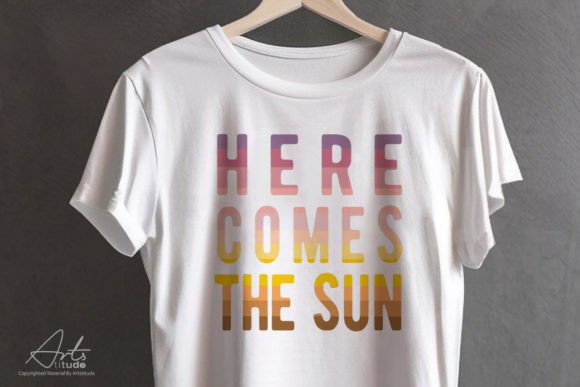
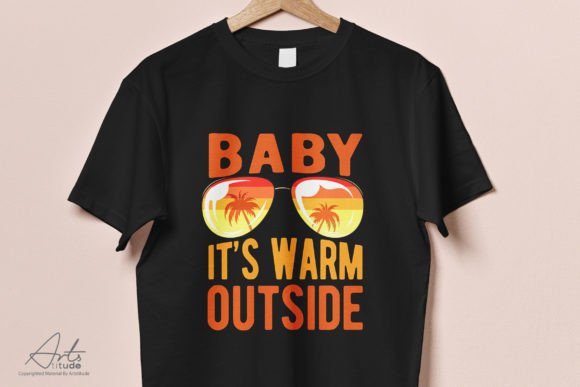
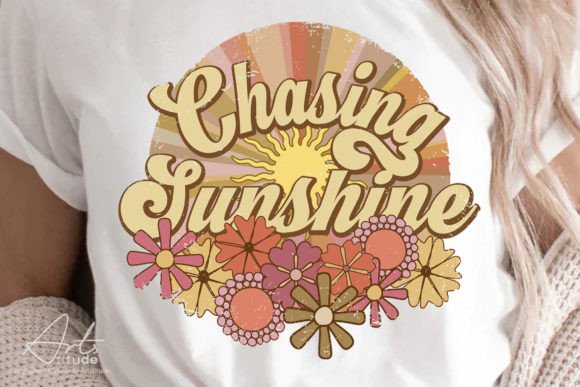
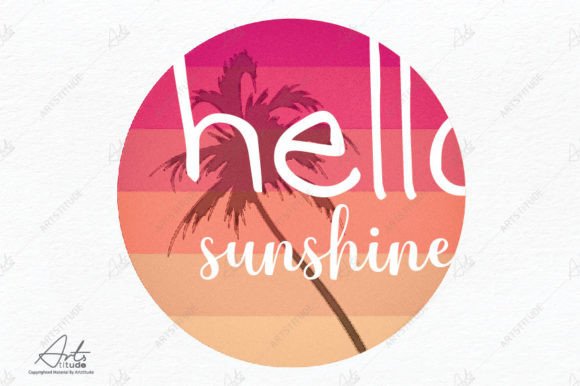
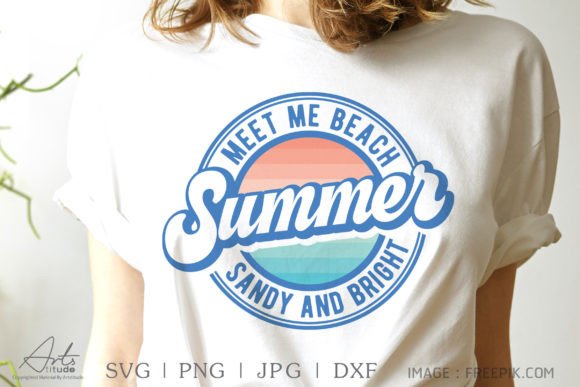
The transition from a digital concept to a tangible product is often where many creative projects stall. Whether you are a small business owner launching a seasonal collection or a hobbyist preparing for a summer party, the quality of your workflow determines the success of your output. Summer SVG, Beach Shirt Sublimation serves as a critical asset in this pipeline, bridging the gap between abstract design ideas and physical reality. It is not merely a graphic file; it is a functional component that dictates how effectively you can utilize cutting machines like Cricut or Silhouette for sublimation printing.
Understanding the role of these files requires looking beyond the visual appeal of a beach scene or a summer slogan. You must consider the technical specifications that ensure compatibility with your hardware and software. The core value of Summer SVG, Beach Shirt Sublimation lies in its versatility across a diverse range of applications. From t-shirts and mugs to stickers, invitations, and stationery, the design acts as the foundational layer for your production line. When integrated correctly, it streamlines the creation of magnets, party supplies, logo designs, and business cards, ensuring consistency across your entire brand identity.
Technical Specifications and Workflow Compatibility
In a professional environment, efficiency is measured by the reduction of friction between design and production. The inclusion of multiple file formats within a single package is a strategic decision that addresses various stages of the manufacturing process. The standard set includes one SVG file, one DXF file, one PNG file with a transparent background at 300 dpi, and one JPG file also at 300 dpi. Each format serves a specific purpose in the workflow, preventing bottlenecks when switching between tasks.
The SVG (Scalable Vector Graphics) file is the primary tool for vector-based cutting machines. When using a Cricut or Silhouette machine, the SVG allows for precise path definition. This means you can resize the design without losing any resolution or detail, which is essential when creating items ranging from tiny jewelry charms to large wall mirrors. The DXF file offers an alternative vector format, ensuring that if you switch software or collaborate with a partner using different platforms, the design remains editable and clean. This flexibility is crucial for maintaining consistency in long-term use.
For sublimation printing, the raster images are equally important. The PNG file provided with a transparent background at 300 dpi is optimized for direct transfer onto substrates. The high resolution ensures that the colors remain vibrant and sharp, avoiding pixelation even on larger prints. Similarly, the JPG file provides a compressed yet high-quality option for quick previews or web-based mockups. By having these assets ready, you eliminate the need to convert files manually, a step that often introduces errors or delays in the production schedule.
Strategic Implementation Across Diverse Projects
The utility of Summer SVG, Beach Shirt Sublimation extends far beyond simple apparel decoration. For entrepreneurs and marketers, these files represent a scalable solution for inventory management. Instead of designing unique graphics for every new product launch, you can apply the same cohesive design language to a wide array of merchandise. This approach reduces the cognitive load on the design team and accelerates time-to-market.
Consider a scenario where a local business wants to launch a summer promotional campaign. Using the included files, they can simultaneously produce branded t-shirts for staff, custom mugs for customers, and printed invitations for an event. The transparency of the PNG file allows the design to blend seamlessly with different shirt colors, while the vector nature of the SVG ensures that the text remains legible on business cards and website designs. This multi-platform capability is what separates a robust workflow from a fragmented one.
Educators and bloggers can also leverage these assets to enhance their content delivery. Imagine creating personalized stationery for a summer workshop or producing stickers for a community outreach program. The ability to print on varied materials—such as paper, fabric, plastic, and metal—means that the same design file can support multiple educational or marketing goals. This adaptability maximizes the return on investment for the initial design purchase.
Integration into Creative and Business Processes
Successful implementation requires more than just downloading a file; it demands a structured approach to organization and quality control. Before initiating a project, it is vital to assess the requirements of your target substrate. Not all materials react the same way to sublimation ink. While the Summer SVG, Beach Shirt Sublimation design is versatile, understanding the thermal properties of the item you are printing on is a prerequisite for success.
During the execution phase, the choice of software matters. If you are using Silhouette Studio, the DXF and SVG files will import cleanly, allowing you to adjust cut lines and registration marks with precision. For those utilizing Cricut Design Space, the SVG format is native and ensures that the machine reads the paths correctly. In both cases, the 300 dpi resolution of the PNG and JPG files ensures that any image editing or color correction steps maintain the integrity of the original artwork.
Quality control should be embedded into the workflow. Before running a full batch of 50 shirts or 100 mugs, always perform a test print. Check the alignment of the design on the substrate and verify that the colors match your brand guidelines. The transparent background feature of the PNG file is particularly useful here, as it allows you to place the design over a mockup of the final product to visualize the outcome before committing resources to the physical print.
Optimizing Efficiency and Long-Term Value
For productivity-minded users, the time saved by having pre-formatted files cannot be overstated. Manual tracing of complex beach scenes or converting low-resolution images into vectors consumes valuable hours that could be spent on strategy, sales, or client relations. By starting with a package that includes SVG, DXF, PNG, and JPG formats, you bypass the technical hurdles that often plague DIY creators.
This setup supports a modular approach to project management. You can create a library of assets where each file type is assigned to a specific task. Use the SVG for cutting vinyl decals, the PNG for heat press transfers, and the JPG for digital marketing materials. This segregation of duties keeps your workspace organized and reduces the risk of accidental file corruption or version confusion. Furthermore, the high-quality nature of these assets ensures that your products look professional, which is essential for building trust with your audience.
When considering accessories, jewelry, and clothing, the scalability of the vector files becomes a key factor. A design that looks perfect on a small pendant can be expanded to cover a full-back t-shirt without any loss of fidelity. This consistency is what defines a cohesive brand identity. Whether you are creating logos, website designs, or artwork, the ability to scale up or down instantly allows for rapid prototyping and iteration.
Maximizing Output with Versatile Applications
The true potential of Summer SVG, Beach Shirt Sublimation is realized when you view it as part of a broader ecosystem of creative tools. It interacts with your existing resources—your printers, your heat presses, your cutting mats, and your design software—to create a seamless production loop. For instance, when planning a party, you can use the files to generate invitations, then move to the kitchen to print matching magnets, and finally head to the bedroom to decorate pillows and clothing.
This fluidity encourages experimentation. Because the files are high-resolution and well-structured, you can easily tweak colors, add text, or combine them with other elements to create unique variations. This is particularly useful for custom orders where clients request personalization. The base design remains constant, but the application varies, allowing you to offer bespoke services without reinventing the wheel for every customer.
In conclusion, integrating Summer SVG, Beach Shirt Sublimation into your workflow is about more than just having a cool design. It is about adopting a methodology that prioritizes preparation, compatibility, and efficiency. By leveraging the multiple file formats provided, you ensure that your projects—from small personal gifts to large commercial runs—are executed with precision. Whether you are a freelancer managing tight deadlines or a small business owner scaling up operations, these assets provide the technical foundation necessary for consistent, high-quality results. Embrace the process, respect the specifications, and let the design drive your creative output.