Summer Seamless Pattern and Beach Pattern: A Practical Guide to Integration in Creative Workflows
In the landscape of digital asset management, few resources offer as much versatility as a high-quality Summer Seamless Pattern paired with an authentic Beach Pattern. These are not merely decorative images; they are foundational elements that bridge the gap between concept and execution for professionals across diverse industries. From freelance graphic designers managing tight deadlines to small business owners launching seasonal product lines, the ability to integrate these assets seamlessly into a workflow is critical for maintaining efficiency and consistency.
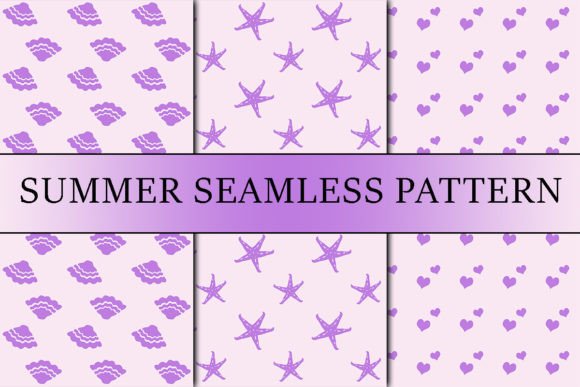
The core value of this specific collection lies in its technical specifications and adaptability. The package includes three distinct JPG digital papers, each rendered at 12x12 inches and 300 dpi. This resolution is the industry standard for high-fidelity printing, ensuring that whether you are producing physical merchandise or creating digital layouts, the output remains crisp and professional. Understanding how to leverage these files requires a shift in perspective from viewing them as simple background images to treating them as structural components of your project lifecycle.
Strategic Preparation and Asset Organization
Before any creative execution begins, the integration process starts with proper preparation. For productivity-minded users and entrepreneurs, the initial step involves organizing these assets within your existing file structure. Because the Summer Seamless Pattern and Beach Pattern are designed for repetition, they function best when treated as library items rather than isolated documents. When you download the zip file containing the three JPGs, immediate organization prevents bottlenecks later in the production phase.
Consider the compatibility requirements of your workflow tools. If you are using vector-based software like Adobe Illustrator or Inkscape, importing 300 dpi raster images requires careful scaling to avoid pixelation. Conversely, if your workflow relies on layout applications like Canva, Affinity Publisher, or Adobe InDesign, these files can be dragged directly onto artboards. The key to efficient implementation is recognizing the format early. Since the files are provided as JPGs, they lack transparency layers, which means you must plan your design composition around opaque backgrounds or utilize masking techniques to blend the patterns with other visual elements.
This preparatory phase also involves assessing the color palette. Summer and beach themes often rely on warm tones—golds, blues, teals, and sandy neutrals. Ensure these colors align with your brand guidelines or project mood boards before committing to a full-scale design. Consistency in color theory is essential for maintaining a professional image, especially when these patterns are applied to branding materials like logos or business cards.
Implementation Across Physical Production Workflows
One of the most robust use cases for these digital papers is in the realm of physical product manufacturing. For entrepreneurs and hobbyists alike, the transition from digital file to tangible product is where the true utility of the Beach Pattern becomes apparent. The 300 dpi resolution ensures that the pattern repeats without visible seams, a critical factor for items like blankets, pillows, and fabric prints.
When planning a production run for baby clothes or t-shirts, the seamless nature of the pattern allows for continuous printing without awkward breaks in the design. This reduces waste and streamlines the cutting process. Similarly, for wrapping paper and packaging, the pattern provides a cohesive look that elevates the perceived value of the product. Whether you are fulfilling orders for weddings, birthdays, or corporate events, the ability to apply a consistent theme across all touchpoints—from the gift wrap to the place cards—creates a unified customer experience.
In the context of furniture and decor, such as decoupage projects or decorated furniture pieces, the durability of the print is paramount. While the digital file itself does not determine the longevity of the final object, starting with a high-resolution source material minimizes the need for upscaling, which can degrade image quality. For DIY projects involving journals and hardcovers, the pattern serves as an ideal cover design or interior page filler. The tactile experience of a well-printed summer-themed journal can significantly enhance user engagement, making it a valuable asset for authors and stationery creators.
Digital Integration and Web Design Applications
Beyond physical goods, the Summer Seamless Pattern plays a vital role in digital ecosystems. For bloggers, website designers, and marketers, these patterns offer a method to create visual interest without overwhelming the content. Unlike solid colors, a subtle beach texture adds depth to web pages, email newsletters, and social media graphics. However, implementation requires a strategic approach to ensure performance is not compromised.
When using these patterns as website backgrounds, it is essential to optimize the file size. While the original 300 dpi files are perfect for print, serving them directly to a browser will slow down load times. A practical workflow involves resizing the images for web use (typically 72 dpi) while maintaining the aspect ratio to preserve the pattern's integrity. This optimization step is crucial for SEO, as page speed is a ranking factor. By compressing the Beach Pattern appropriately, you maintain the aesthetic appeal while ensuring a smooth user experience.
In the realm of digital scrapbooking and planner stickers, the versatility of these assets shines. Digital planners have become a staple for productivity enthusiasts, and incorporating seasonal patterns helps users stay organized and motivated throughout the year. The seamless nature of the design allows for easy tiling in layout software, enabling creators to generate custom sticker sheets or page backgrounds quickly. This efficiency is particularly valuable for educators and freelancers who need to produce multiple variations of a design for different clients or audiences.
Collaborative Workflows and Client Deliverables
For professionals working in teams or managing client relationships, clear communication regarding asset usage is necessary. When delivering a project that incorporates the Summer Seamless Pattern, it is important to specify the intended use case. Clients may assume that a low-resolution preview is sufficient for all purposes, but the distinction between screen display and large-format printing is significant. Providing a brief guide or documentation alongside the final deliverable can prevent misunderstandings and ensure the client gets the most out of the assets.
In collaborative environments, version control is another consideration. If a team member modifies the pattern by adding text or overlays, saving a new version is essential to maintain the original integrity of the source files. This practice supports long-term usability, allowing the team to revert to the base pattern if changes need to be undone. Furthermore, understanding the licensing terms associated with the digital papers ensures that commercial projects remain compliant. Most digital paper collections allow for extensive commercial use, but verifying these details protects both the creator and the end-user.
Maximizing Efficiency Through Repetition
The inherent strength of a seamless pattern is its ability to repeat infinitely. This characteristic makes it an invaluable tool for rapid prototyping and iteration. Instead of designing unique backgrounds for every single item in a collection, designers can apply the Beach Pattern once and replicate it across dozens of assets. This approach drastically reduces the time spent on repetitive tasks, freeing up mental energy for more complex problem-solving and creative direction.
For example, in a wedding invitation suite, the same pattern can be used for the main card, the RSVP envelope, the menu, and even the favor tags. This consistency reinforces the event's theme and creates a polished, professional look. In a business context, applying the pattern to a set of branded notebooks, pens, and promotional flyers can establish a strong visual identity that resonates with the target audience. The key is to balance the pattern's prominence with readability and functionality; too much texture can obscure text, so layering and opacity adjustments are often necessary.
Ultimately, the integration of Summer Seamless Pattern and Beach Pattern into your workflow is about enhancing the quality and coherence of your output. Whether you are crafting handmade jewelry, designing a website, or producing a line of summer apparel, these assets provide the structural foundation needed to bring your vision to life. By approaching them with a focus on preparation, technical compatibility, and strategic application, you can transform simple digital files into powerful tools for success.
The flexibility offered by the included zip file—with its three high-resolution JPG options—ensures that there is a solution for nearly every project requirement. As you move forward with your next creative endeavor, consider how these patterns can streamline your process, reduce production time, and elevate the final result. The intersection of thoughtful planning and high-quality assets is where exceptional work happens, and this collection offers a reliable path to achieving that standard.