Drip: The Art of Fluid Creativity in Modern Design
In the fast-paced world of digital and physical creation, Drip has evolved from a simple slang term into a powerful concept representing style, flow, and effortless execution. When we talk about "Drip" in the context of design and manufacturing, we are referring to that seamless integration where aesthetics meet functionality. It is the difference between a flat, static image and a dynamic element that feels alive on the page or the product. This fluidity is exactly what drives the current wave of customization in the maker economy, allowing creators to infuse their personal brand or business identity with a unique character that stands out in a crowded marketplace.
The relevance of Drip today cannot be overstated. As consumers become more discerning, they no longer settle for mass-produced, generic items. They crave authenticity. Whether it is a custom t-shirt worn by a local influencer, a set of personalized stationery for a wedding, or a branded sticker pack for a tech startup, the demand for high-quality, bespoke designs is at an all-time high. This shift has created a fertile ground for tools like cutting machines, which bridge the gap between digital imagination and tangible reality. The ability to apply "Drip" to physical objects transforms ordinary materials into statements of individuality.
Bridging Digital Art and Physical Production
For professionals, hobbyists, and small business owners, the workflow has changed dramatically. In the past, creating custom merchandise required expensive setup costs, long lead times, and specialized industrial equipment. Today, the barrier to entry has lowered significantly thanks to accessible technology. The core of this revolution lies in the compatibility of design files with modern cutting machines. Designs that embody the spirit of Drip must be versatile enough to handle various substrates while maintaining their integrity.
This is where the synergy between creative software and hardware becomes critical. A design intended for a sleek laptop skin requires different precision than one meant for a soft cotton hoodie. The most successful creators understand that the file format dictates the application. By utilizing advanced vector formats, designers can ensure that their work scales perfectly without losing quality, whether it is being printed on a massive banner or a tiny piece of jewelry. This adaptability is the true definition of modern design flow—moving effortlessly from screen to surface.
Compatibility with Leading Cutting Machines
The ecosystem of crafting and small-batch production relies heavily on devices like Cricut and Silhouette. These machines have become the backbone of the home-based creative industry. However, not all files are created equal. To truly leverage the capabilities of these machines, your design assets must be optimized for their specific cutting paths and software environments. A design that lacks proper layering or vector data will result in frustrating errors, wasted materials, and subpar finished products.
When a design is described as suitable for Cricut, Silhouette, and other cutting machines, it implies a level of technical proficiency that ensures smooth operation. This means the lines are closed, the layers are organized, and the vectors are clean. For the entrepreneur selling handmade goods, this compatibility is non-negotiable. It allows for rapid prototyping and consistent production runs. If you are a marketer looking to create limited-edition promotional swag, having files that cut cleanly on any machine ensures you can fulfill orders quickly and professionally, regardless of which equipment your team uses.
From Screen to Substance: Printable Formats Explained
The versatility of a single design asset is often determined by the variety of formats available. In the realm of digital downloads, receiving a comprehensive suite of files is essential for maximizing utility. The standard offering of a robust design package typically includes multiple formats, each serving a distinct purpose in the production pipeline. This diversity ensures that whether you are using a laser cutter, a vinyl plotter, or a standard inkjet printer, you have the right tool for the job.
SVG (Scalable Vector Graphics) remains the gold standard for cutting machines. Because SVGs are based on mathematical curves rather than pixels, they can be resized infinitely without becoming pixelated. This is crucial when you need to cut a logo that is 2 inches wide for a badge and 24 inches tall for a wall decal. The precision of the SVG file ensures that the machine's blade follows the exact path defined by the designer, resulting in crisp edges and professional finishes.
PNG and JPEG files serve a different but equally important role. These raster formats are ideal for printing applications where color gradients, textures, or photographic elements are present. For instance, if you are producing full-color stickers or intricate invitations, a PNG file preserves the transparency and color depth necessary for high-quality output. Similarly, JPEGs offer a convenient option for quick previews or basic print jobs where vector editing is not required. Having both ensures that your design looks just as good on a screen as it does on paper or fabric.
EPS and DXF files cater to the more specialized needs of the industry. EPS (Encapsulated PostScript) is widely used in professional graphic design workflows and large-format printers, ensuring compatibility with Adobe Illustrator and other desktop publishing software. DXF (Drawing Exchange Format) is particularly favored by CNC routers and older cutting machine models, providing a universal language for vector data. By including these formats, a design package becomes a complete solution, capable of handling everything from heat transfer printing to intricate jewelry making.
Applications Across Industries
The practical implications of having access to such a diverse range of formats are vast. Consider the apparel industry, where heat transfer printing and iron-on materials are ubiquitous. A well-structured SVG file allows a crafter to cut vinyl designs that adhere perfectly to t-shirts, hoodies, and tote bags. The durability of the transfer depends on the quality of the cut and the precision of the design, making the source file critical to the final product's longevity.
Beyond clothing, the potential applications extend to stationery and party supplies. Invitations, place cards, and banners benefit from the sharp lines provided by vector files. For businesses, business cards and branding materials require a level of polish that only high-resolution, properly formatted files can provide. The same design can be adapted for website designs, ensuring brand consistency across digital and physical touchpoints. Even in niche markets like jewelry, where precision is paramount, the ability to cut intricate patterns from metal sheets or acrylics opens up new avenues for artistic expression.
The trend towards personalization means that consumers expect products tailored to their specific tastes. A business owner can use these versatile files to create limited-run collections that feel exclusive and high-end. Educators might use them to make engaging classroom materials, while freelancers can build portfolios that showcase their ability to execute complex projects. The common thread is the ability to take a digital concept and bring it to life with minimal friction.
Understanding Your Rights and Responsibilities
As the market for digital design assets grows, so does the importance of clear usage guidelines. Purchasing a design file grants you the right to use it within specific boundaries, balancing the creator's intellectual property rights with the buyer's need for flexibility. Most reputable sources, such as The Clipart House, operate under terms that allow for personal use and limited commercial use.
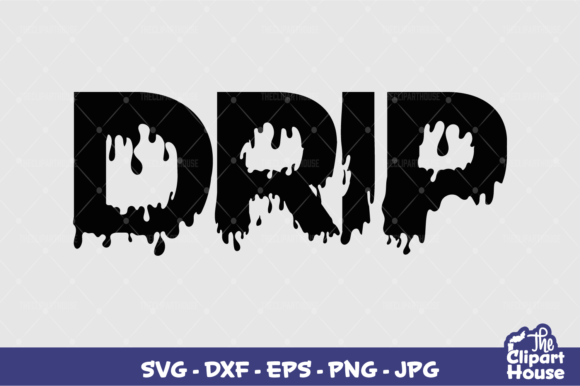
This distinction is vital for anyone running a small business or side hustle. You are generally permitted to sell physical products created using the design files, such as a shirt featuring the "Drip" motif or a set of stickers sold at a craft fair. However, there are strict limitations regarding the distribution of the digital files themselves. Reselling or redistributing the original files is strictly prohibited. This protects the value of the original artwork and ensures that the creator is compensated for their work.
To facilitate the use of these files, buyers receive a compressed package containing all necessary formats. Typically, this includes 1 SVG File, 1 PNG File, 1 JPEG File, 1 EPS File, and 1 DXF File. Since these are delivered as a compressed archive, users will need a zip program or similar extraction tool to access the contents. This step is straightforward but essential; without extracting the files, they cannot be opened by design software or sent to cutting machines. Once extracted, the user can immediately begin their project, enjoying the convenience of an instant download.
Navigating the Terms of Use
By purchasing and downloading this product, you acknowledge that you have read, understood, and agreed to the Terms of Use. These terms are not merely legal formalities; they are the framework that sustains the creative community. They encourage innovation while respecting the labor and creativity of the artist. If you have questions about how these terms apply to your specific business model, the best course of action is to reach out directly. Sending a message to the provider can clarify ambiguities and ensure that your use of the design remains compliant.
All website content remains the property of The Clipart House, reinforcing the idea that digital assets are valuable intellectual property. This respect for ownership fosters a healthy ecosystem where creators are motivated to produce high-quality work, and buyers are assured of the legitimacy and safety of their purchases. As you integrate these designs into your workflow, remember that the goal is to enhance your own creativity without infringing on the rights of others.
In conclusion, the intersection of "Drip" and modern design tools offers unparalleled opportunities for expression and commerce. Whether you are a seasoned entrepreneur or a curious hobbyist, the availability of multi-format, machine-compatible files empowers you to turn ideas into reality. By understanding the capabilities of your cutting machines, the nuances of different file types, and the importance of adhering to usage terms, you can navigate the creative landscape with confidence. The future of design is fluid, customizable, and accessible to anyone willing to embrace the tools available today.